

Uses Of Thyme In Cooking
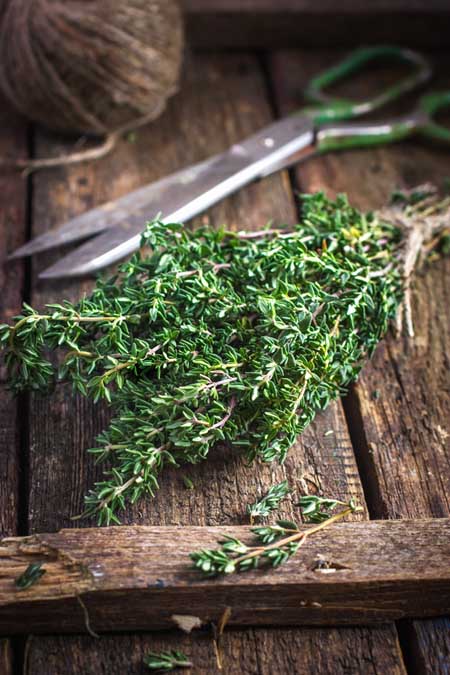
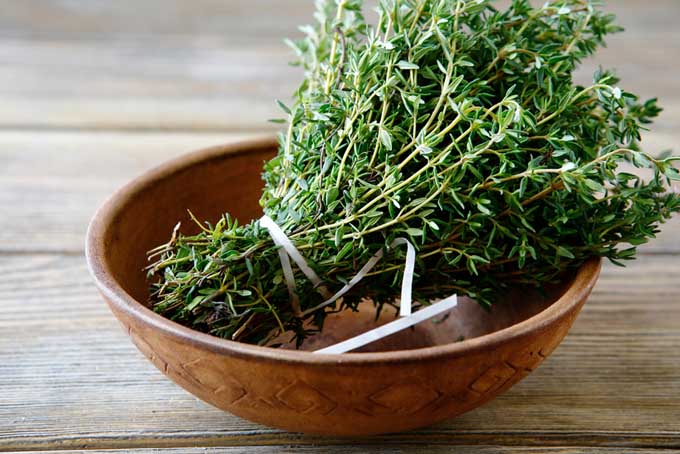
Thyme is one of the most favored herbs in many different cooking styles.
The flavor and smell of thyme enhances the cuisine it is used in, and gives dishes a delicacy that's not easy to achieve with any other herb. However, it is essential that the herb be used in the proper way, and to the best of its advantage.
The plant has a slightly sour flavor much like a very mild lemon, and goes great with vegetables and seafood. Many cooks use it on poultry and meats, and even for stuffing. But at times this can cause it to lose its flavor, especially if it is cooked for too long.
Here are some tips for using thyme in your dishes, and retaining its aroma and flavor:
1. Vegetables and seafood have a mild taste and are usually not overcooked. The thyme enhances the flavor of these dishes without overpowering the taste of the food itself. If the vegetable and seafood dish is a sauté, fresh leaves work wonders in bringing out the subtle flavors.
2. Dried thyme added right at the end of cooking tosoups like lentil and split pea brings an aroma to the dish that is hard to miss. Just add the herb and immediately take the soup off the heat. Keep the dish covered, and when you are ready to serve, the soup will smell heavenly.
3. Stews are cooked for a long time, and adding any fresh herb to this dish may seem pointless. However, once the stew is cooked, you may add finely chopped leaves to the pot and serve. These add a touch of tangy taste that makes the stew taste great.
4. Poultry dishes often have a mild taste, helped by the addition of thyme when cooked properly. If you are baking chicken or roasting it, adding dried leaves, like in our DIY chicken dry rub, will bring a flavor and aroma to it that everyone will love. Mix some lemon juice with the leaves, and baste the chicken with this mixture for best results.
5. Meat sometimes has a very strong flavor, and because it needs to be cooked well, cooks do not usually prefer using thyme in these dishes. However, fresh leaves can be used in the marinade, helping to give it a savory taste once cooked. Try the fresh herbs in our Lemon and Thyme Grilled Chicken recipe.
6. Leaves without the stem work great in salads – just a couple of sprigs will give your fresh veggie salad a kick that no dressing will achieve on its own.
7. When baking bread, add a couple pinches of dried thyme to the flour to make an herbed bread that tastes great with butter. For garlic bread,add fresh crushed leaves to the butter and spread on the bread before putting it into the oven.
8. Pasta and herbs are a great combination. When you have made your favorite pasta sauce, add a pinch of dried leaves to enhance your dish.
9. Most herbs wither when overcooked, and thyme is no exception. When making sauces, add the herb last and immediately take off the heat. This will help to retain the flavor and aroma.
10. While somewhat unusual, fresh thyme leaves can even be used to decorate desserts, like soufflés and custards. The slightly lemony taste helps make the sweetness of the dessert less pronounced.
What's your favorite way to use the flavor of thyme to enhance your dishes? Let us know in the comments!

Uses Of Thyme In Cooking
Source: https://foodal.com/knowledge/herbs-spices/guide-cooking-thyme/
Posted by: gonzalezpurping.blogspot.com
0 Response to "Uses Of Thyme In Cooking"
Post a Comment